
Fluke 1746 vs Traditional Power Meters: Why Dedicated Power Quality Loggers Matter
In modern electrical systems, measuring power is no longer just about knowing voltage, current, or energy consumption. With sensitive equipment, automation, and increasingly complex loads, power quality now plays a critical role in system reliability. This is where the difference between traditional power meters and dedicated power quality loggers like the Fluke 1746 becomes clear.
While both tools measure electrical parameters, they serve very different purposes. Understanding these differences helps engineers, facility managers, and contractors choose the right solution for accurate diagnostics and long-term system performance.
Understanding Traditional Power Meters
Traditional power meters are commonly used in industrial and commercial settings for basic electrical monitoring. They typically measure:
- Voltage and current
- Active, reactive, and apparent power
- Energy consumption (kWh)
- Power factor and frequency
These meters are ideal for routine monitoring, billing, and basic load analysis. They provide quick snapshots of electrical performance and are often permanently installed in electrical panels.
However, traditional power meters usually lack the ability to capture detailed waveform data or detect short-duration disturbances. As a result, they can confirm how much power is being used but offer limited insight into why equipment may be malfunctioning or failing.
What Makes the Fluke 1746 Different
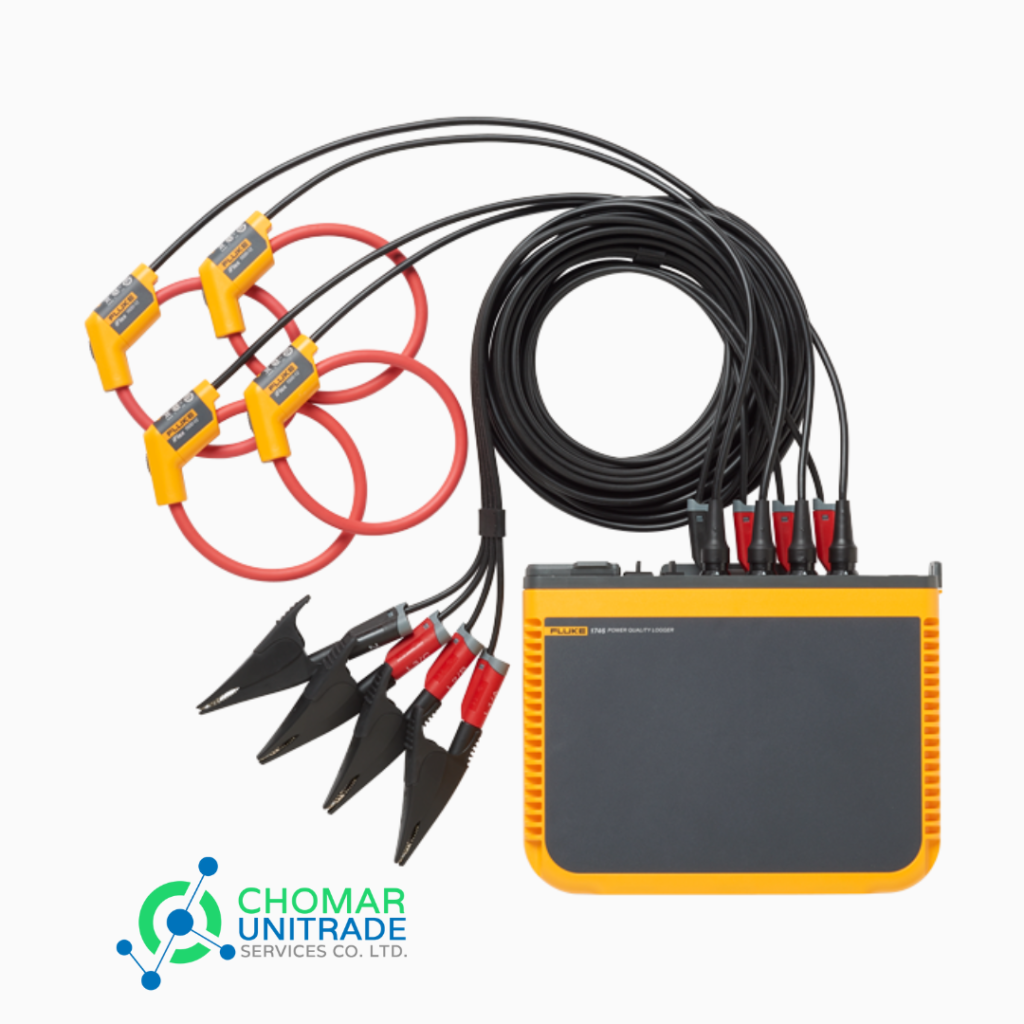
The Fluke 1746 Three-Phase Power Quality Logger is specifically designed for advanced power quality analysis rather than simple measurement. Unlike standard meters, it continuously records detailed electrical data over extended periods.
Key capabilities include:
- Continuous three-phase power quality logging
- Detection of voltage sags, swells, interruptions, and transients
- Harmonic and voltage imbalance analysis
- High-resolution waveform capture
- Compliance-grade measurements aligned with international standards
This enables users to identify intermittent or hidden issues that traditional meters simply cannot detect.
Why Dedicated Power Quality Logging Matters
Many power-related problems do not occur continuously. Events such as voltage dips, harmonic distortion, or transient spikes may last only milliseconds but can still cause equipment shutdowns, data loss, or long-term damage.
Traditional power meters often miss these events because they focus on averaged values. The Fluke 1746, on the other hand, captures and timestamps disturbances, making it possible to:
- Correlate power events with equipment failures
- Identify sources of electrical noise or imbalance
- Verify compliance with power quality standards
- Improve troubleshooting accuracy and reduce downtime
This level of insight is essential in environments such as manufacturing plants, data centers, hospitals, and commercial buildings, where power reliability is critical.
Long-Term Analysis and Reporting
Another major advantage of the Fluke 1746 is its ability to perform long-term monitoring. Power quality issues may occur only during peak loads, equipment start-ups, or specific times of the day. Long-duration logging allows engineers to identify trends rather than rely on isolated readings.
In addition, dedicated power quality loggers generate professional reports with graphs, event summaries, and clear data interpretation. These reports are valuable for internal diagnostics, client presentations, and compliance documentation.
Choosing the Right Tool for the Job
Traditional power meters remain useful for basic energy monitoring and operational visibility. However, when the goal is to understand power quality, prevent failures, and diagnose complex electrical issues, they fall short.
The Fluke 1746 fills this gap by offering in-depth power quality analysis that goes beyond surface-level measurements. By capturing real-world disturbances and long-term trends, it empowers professionals to make informed decisions, improve system reliability, and avoid costly downtime.
In today’s electrically demanding environments, dedicated power quality loggers are no longer optional — they are essential tools for accurate diagnostics and proactive maintenance.
Buying the Fluke 1746 Power Quality Logger
If you are looking for a reliable solution to analyze three-phase power quality with professional accuracy, the Fluke 1746 Three-Phase Power Quality Logger is a strong investment. It is well suited for engineers, electrical contractors, and facility managers who need dependable data for troubleshooting, compliance, and preventive maintenance.
By choosing the Fluke 1746, you gain deeper visibility into your electrical system, helping you protect equipment, improve efficiency, and maintain long-term operational stability.